

‹

›
‹
›
Supported by technological innovation and quality management, with the concept of developing domestically-original instruments and equipment, and adhering to the principle of putting ourselves first, we have developed and manufactured a series of intelligent laboratory instruments and equipment, online atmospheric monitoring equipment, etc. with leading performance and reliable quality.
◉ Product Introduction
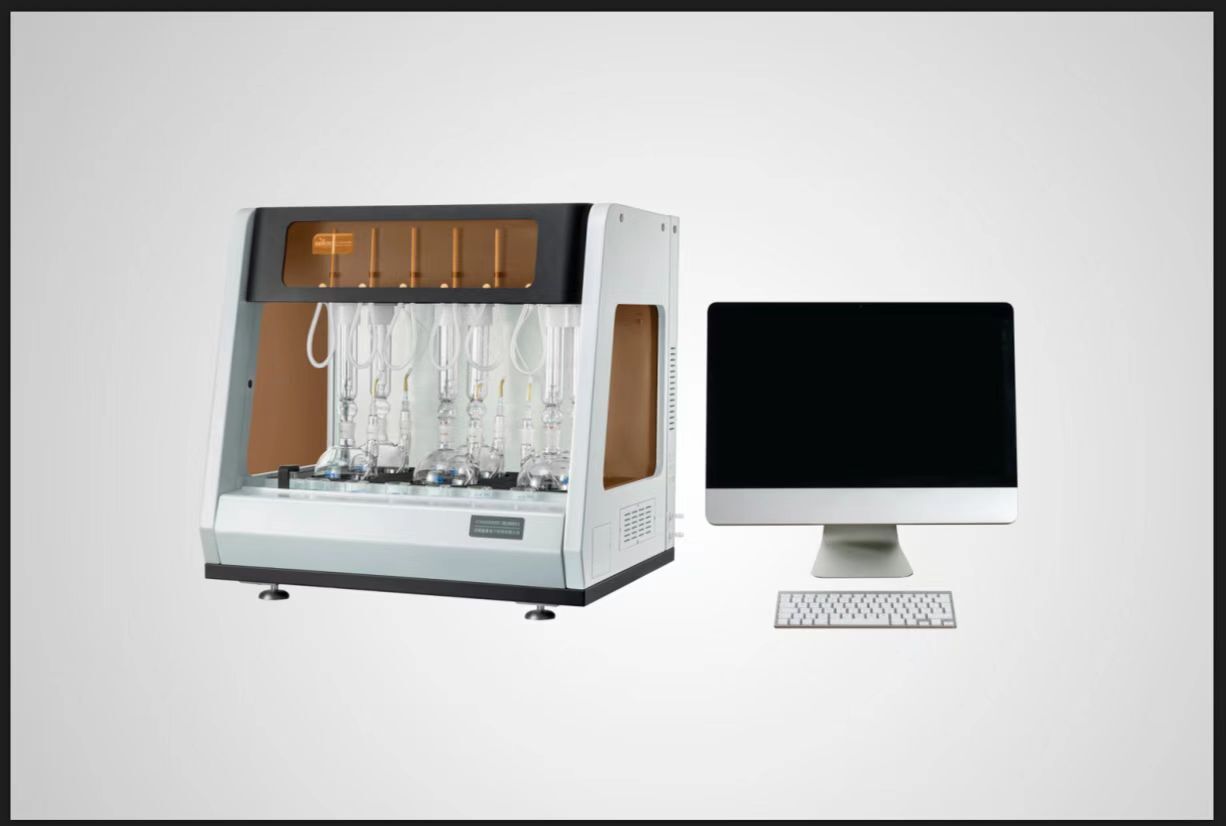
Specialized instrument for the new national standard sulfur dioxide in food (method for determining sulfur dioxide in Chinese Pharmacopoeia) prepared for use: ST109AST109BBST109CST109D full-series standard automatic reagent addition test, automatic nitrogen blowing control function (the first of its kind in the country)!!!
R&D background:
With the promulgation of the new national standard GB5009.34-2022 “Determination of Sulfur Dioxide in Food”, the determination methods for sulfur dioxide in food and for sulfur dioxide in Chinese medicinal materials in the Chinese Pharmacopoeia are largely consistent. Jinan Shengtai Technology, based on the new national standard and the Pharmacopoeia methods, has jointly developed four dedicated testing instruments: ST109A、ST109B、ST109C、ST109D. Among them, ST109A is the first fully automatic dedicated testing instrument in China.
It fully complies with the new national standard for sulfur dioxide in food and the 2016 and 2020 editions of the Chinese Pharmacopoeia methods.
Product Features:
* Heating method: automatic far-infrared ceramic heating tube management system, automatic anti-dry-burn technology;
* Cooling method: compressor cooling cycle for temperature reduction, fast cooling speed;
* Condenser tube design: semi-hidden clamp-free national-standard dedicated reflux condenser tube;
* Control system: automatic temperature rise technology, micro-boiling and full-boiling heating modes can be set; automatic timing 0-999min;
* Reagent addition: high-precision reagent injection pump can automatically complete reagent addition, no manual operation required;
* Nitrogen control: high-quality nitrogen average distribution system, automatically adjusts nitrogen flow rate, not a common rotameter flowmeter;
* Titration system: automatic titration using sodium hydroxide standard solution;
* Endpoint recognition: automatically recognizes the titration endpoint and automatically calculates the test results.
◉ Specifications
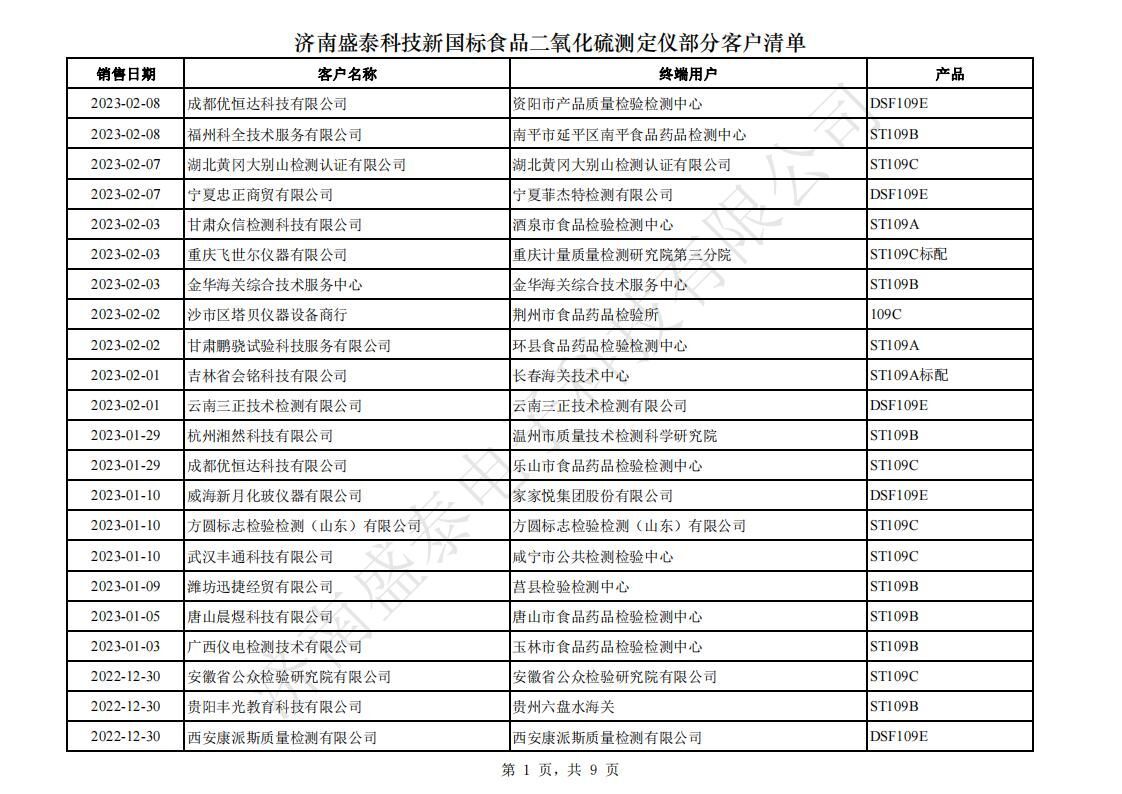
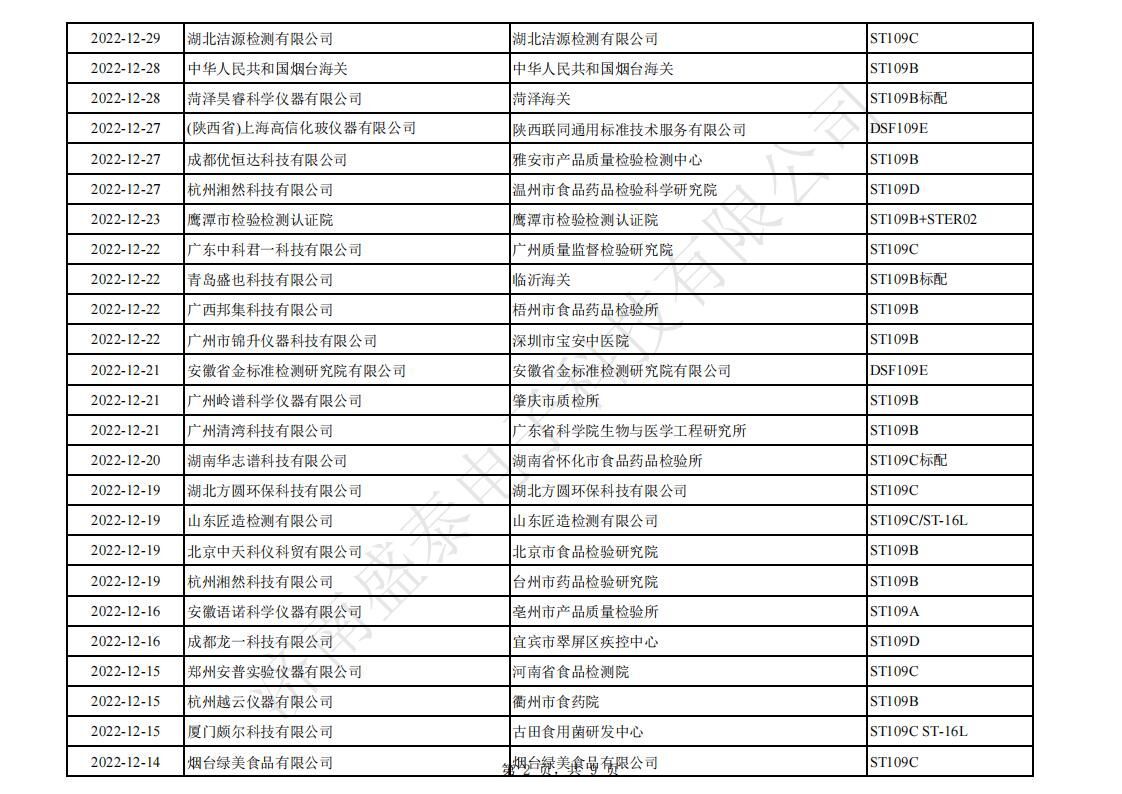
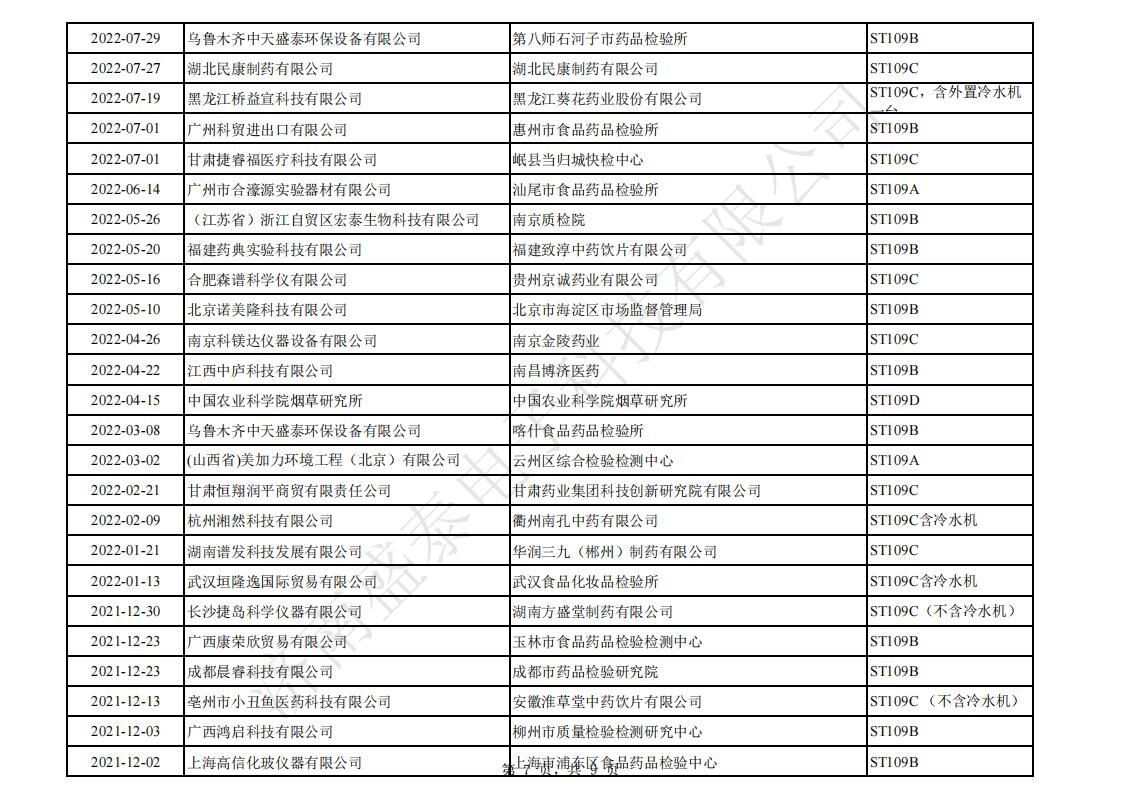
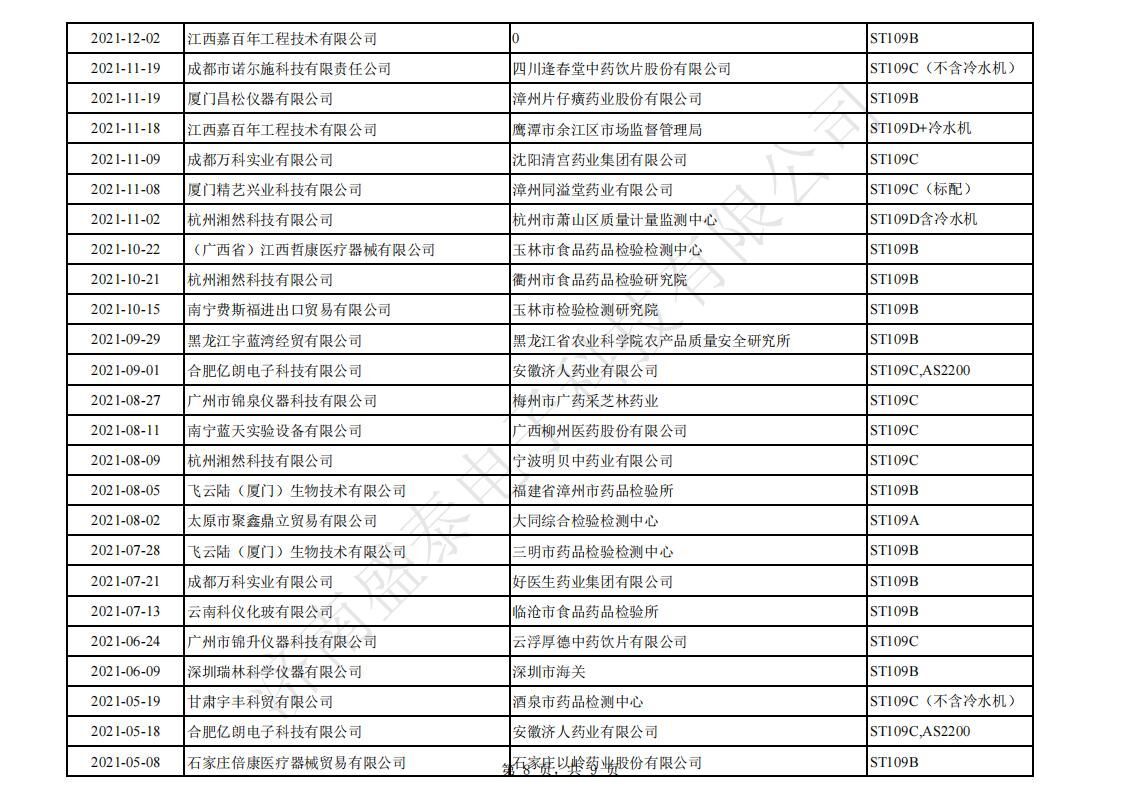
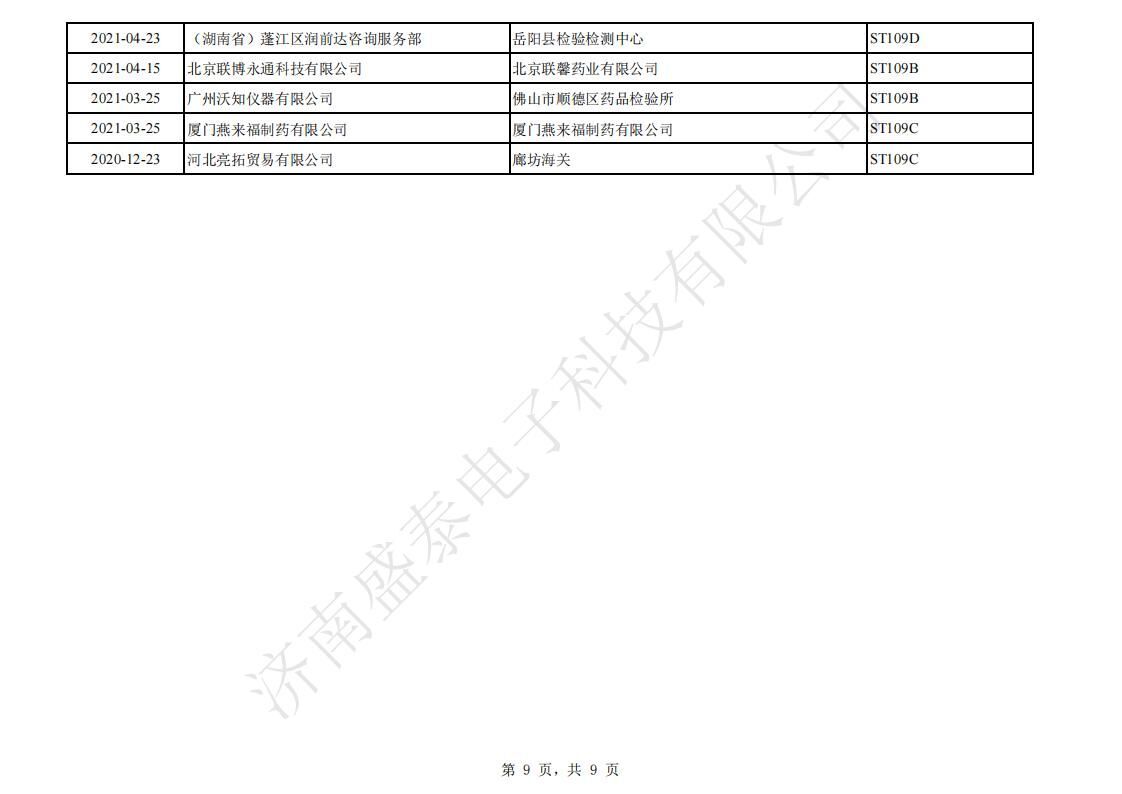
◉ Success Stories
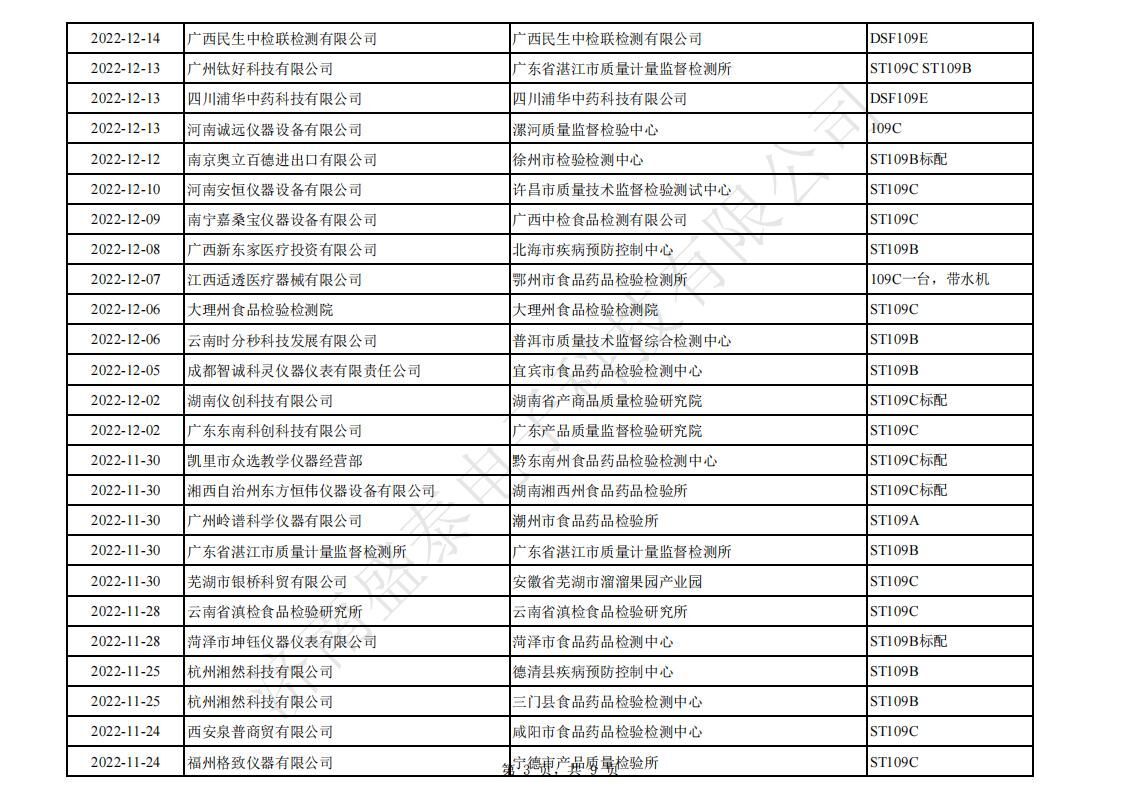
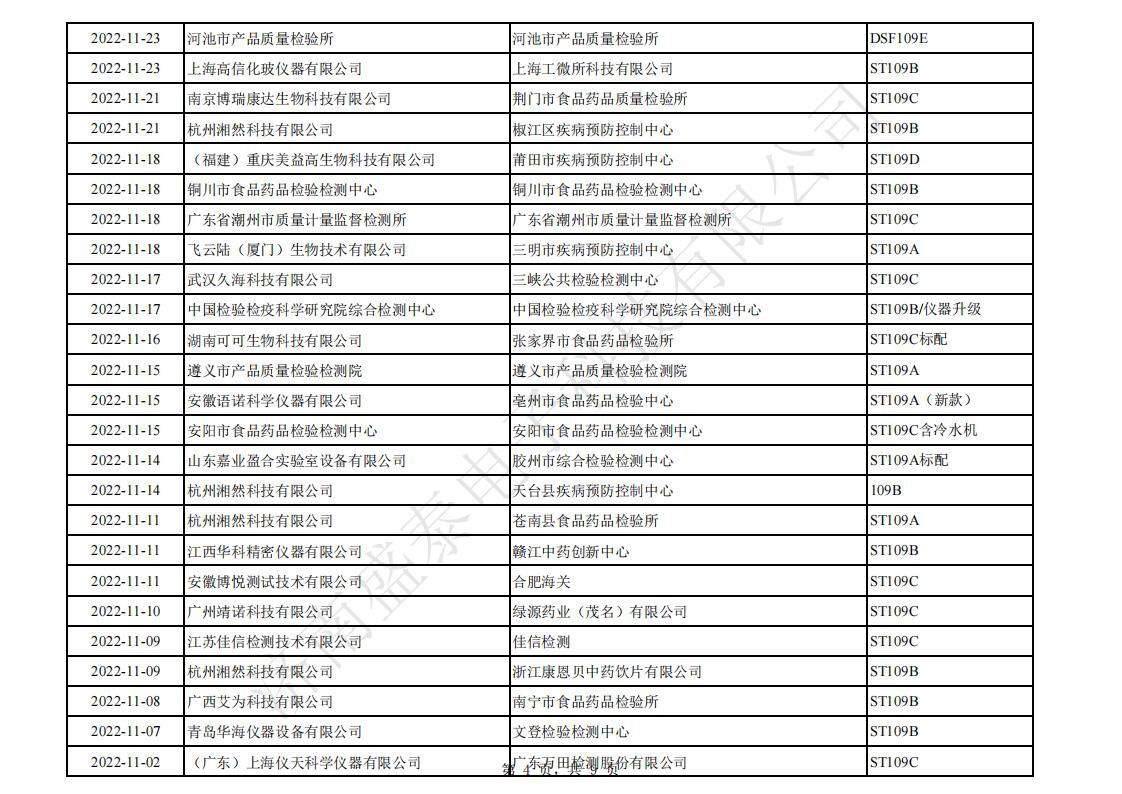
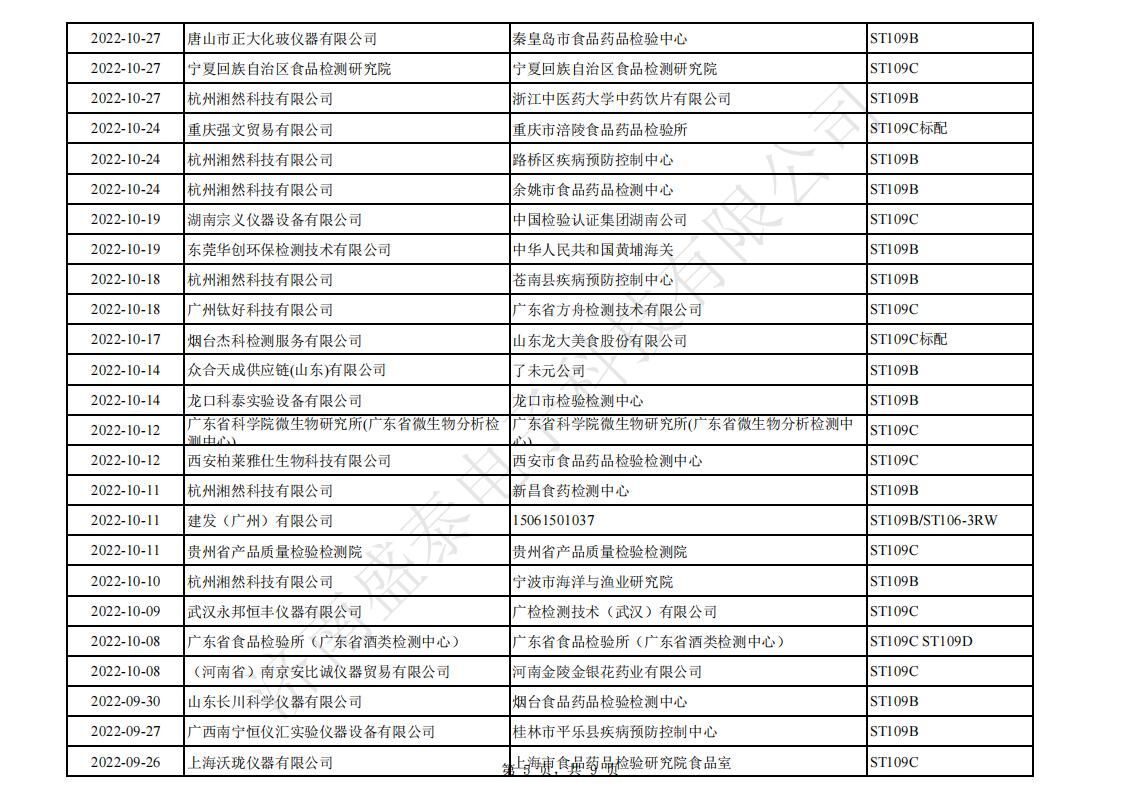
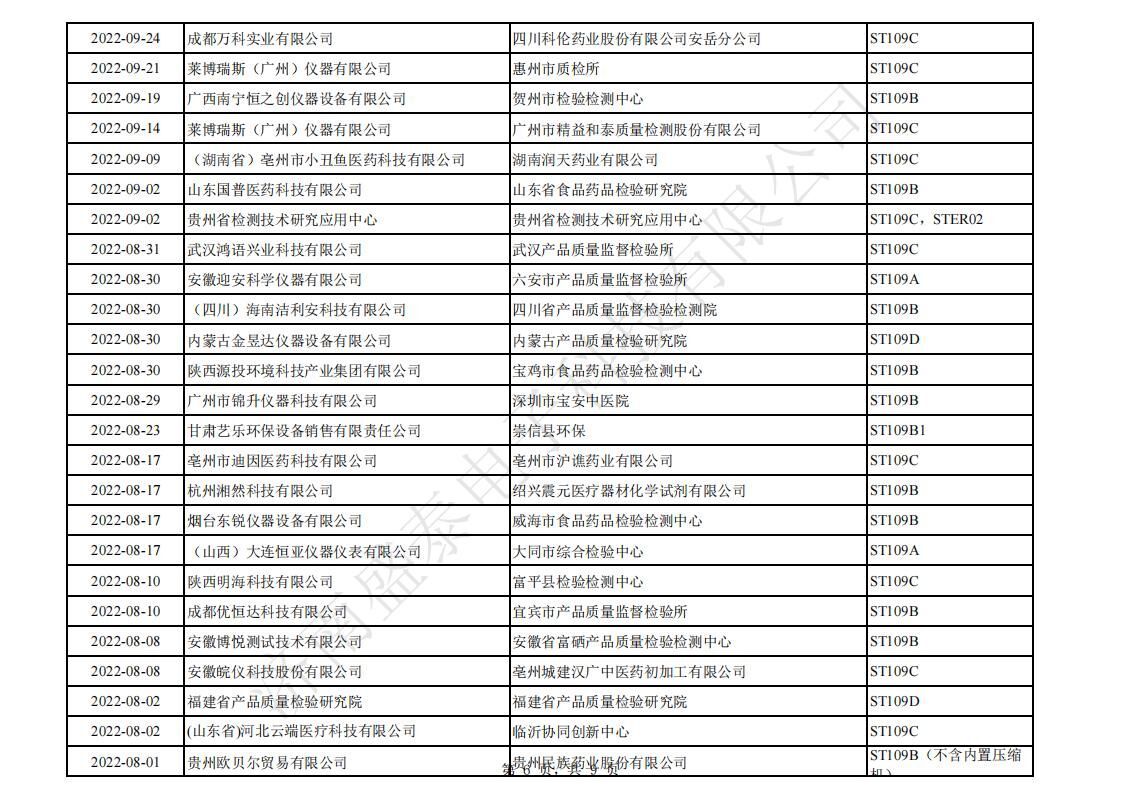
◉ Download Sample
◉ Get a quote
◉ Related Products
 Jinan Shengtai ST800L Fully Automatic Water Quality Multi-Parameter AnalyzerJinan Shengtai ST800L Fully Automatic Total Phosphorus and Total Nitrogen Analyzer, compliant with GB11893-89 and HJ636-2012 standards, achieves full automation of sample digestion and detection, with 8-batch testing to improve efficiency, and can be expanded for water quality testing of nitrogen and other parameters.
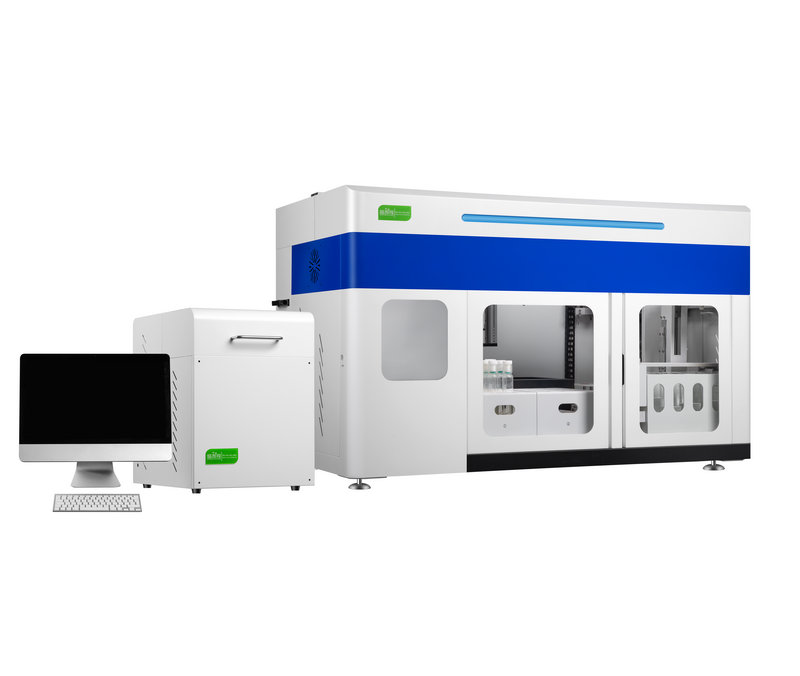
![]() ST109A Fully Automatic Food and Chinese Medicine Sulfur Dioxide AnalyzerGB5009.34-2022 Determination of Sulfur Dioxide in Food. The ST109A Fully Automatic Food and Chinese Medicine Sulfur Dioxide Analyzer can realize full-process automatic detection, automatic titration, automatic identification of the endpoint color, and automatic calculation of test results.
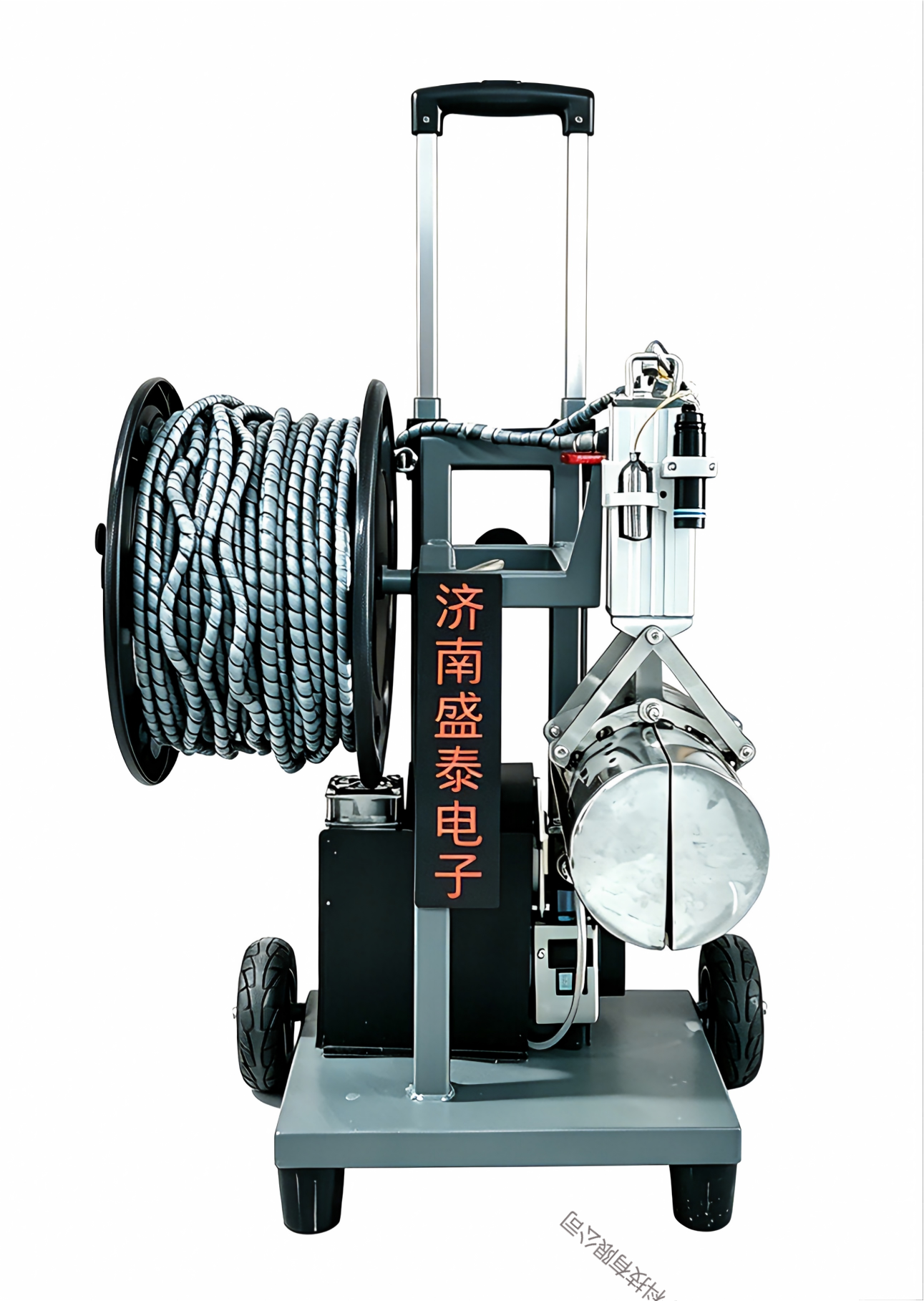
ST109A Fully Automatic Food and Chinese Medicine Sulfur Dioxide AnalyzerGB5009.34-2022 Determination of Sulfur Dioxide in Food. The ST109A Fully Automatic Food and Chinese Medicine Sulfur Dioxide Analyzer can realize full-process automatic detection, automatic titration, automatic identification of the endpoint color, and automatic calculation of test results. Jinan Shengtai Technology STCYQ01 Integrated Benthic Biological SamplerShengtai Technology STCYQ01 integrated benthic biological sampler, equipped with a high-definition camera and lithium battery drive, supports 20-meter deep-water sampling, suitable for ecological monitoring and scientific research in lakes, reservoirs, and other water bodies.
Please leave us a message
Jinan Shengtai Electronic Technology Co., Ltd. is a high-tech enterprise specializing in the research, development, production and sales of new laboratory analytical instruments, online atmospheric monitoring equipment and laboratory intelligent pretreatment equipment.
Sales Inquiry

Consumables Purchase
WeChat Official Account
顶部
Log in to view more information
Log in to view more information